- payments for the additional load on local authority services,
- contributions towards education or transport in the local area,
- contributions towards provision of on- or off-site affordable housing.
/
/
/
What is a planning agreement and who needs to be a party?
What is a planning agreement and who needs to be a party?
A Section 106 agreement is an agreement entered into between landowners or developers and local planning authorities (“LPAs”) as part of the planning process.
A Section 106 agreement is the most common form of planning agreement and is made under Section 106 of the Town and Country Planning Act 1990, also known as a “planning obligation.”
This article focuses on planning obligations, but please note there are other forms of planning agreement, such as Section 278 and Section 38 Agreements, which relate to highway works.
What is a planning obligation?
Section 106 agreements are used to balance a development’s impact on the local area. They are used when the impact is significant enough to warrant the fact that it cannot be moderated by means of conditions attached to a planning decision.
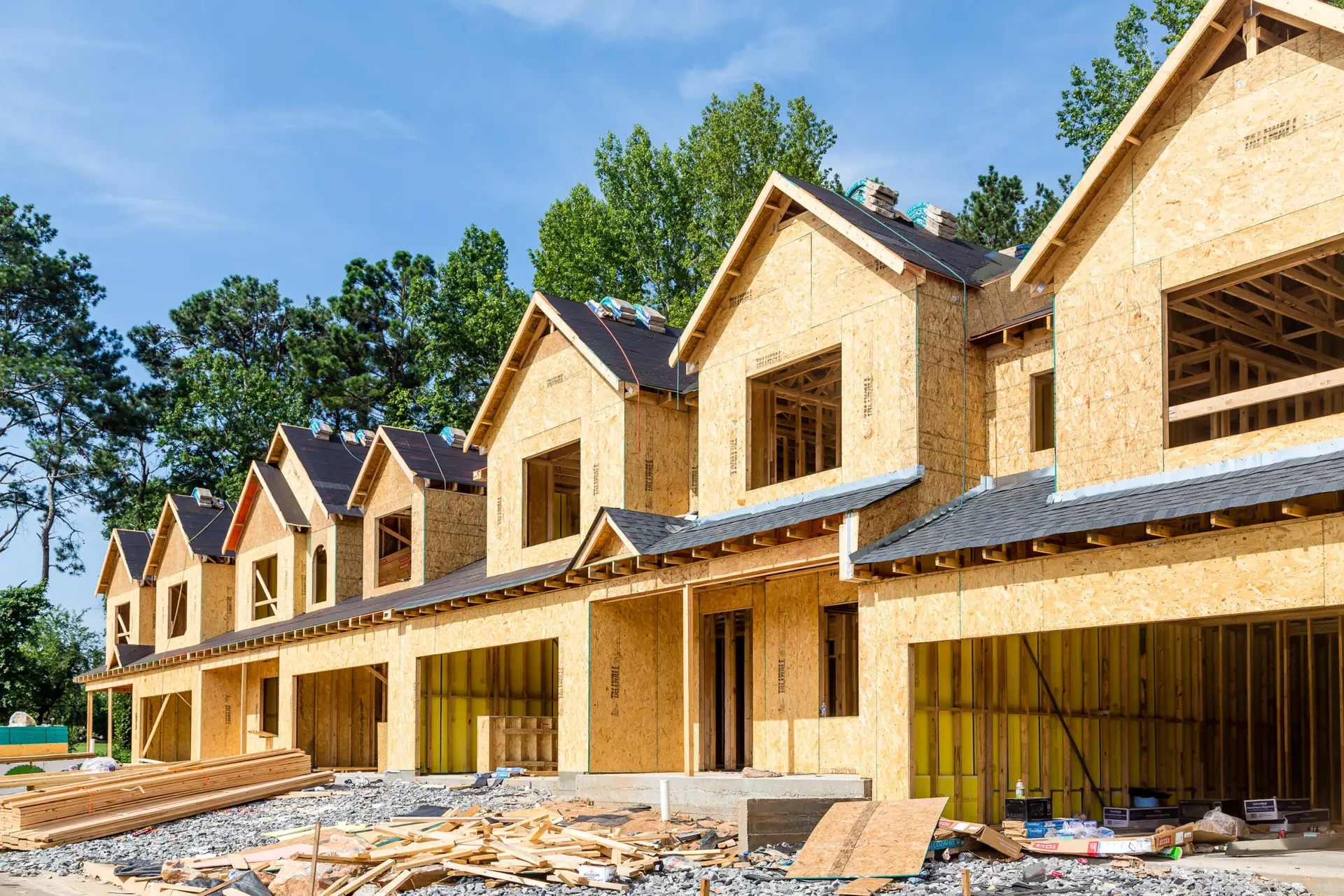
For example, a new residential development can place extra pressure on the social, physical and economic infrastructure which already exists in a certain area. A planning obligation will aim to balance the pressure created by the new development with improvements to the surrounding area ensuring that where possible the development would make a positive contribution to the local area and community.
Planning obligations can be a pre-requisite to the grant of a planning permission, although not all planning permissions will require planning obligations to be entered into.
Some planning obligations are entered into by the landowner/developer as well as the LPA, and in this instance the planning obligation will contain requirement on both the landowner/developer and the LPA. In certain circumstances it is also possible for the landowner/developer to provide a unilateral undertaking to the LPA. A unilateral undertaking will contain various obligations on the landowner/developer, however, as the LPA is not a party to a unilateral undertaking, there will be no obligations binding on the LPA. It is therefore important to consider who should be a party to the planning obligation to ensure that the correct form of planning obligation is used.
What will a Section 106 Agreement Contain?
The requirements that may be imposed on a landowner/developer in a planning obligation include:
This reflects the law and market position at the date of publication and is written as a general guide. It does not contain definitive legal advice, which should be sought in relation to a specific matter.