Wills, Trusts & Private Wealth











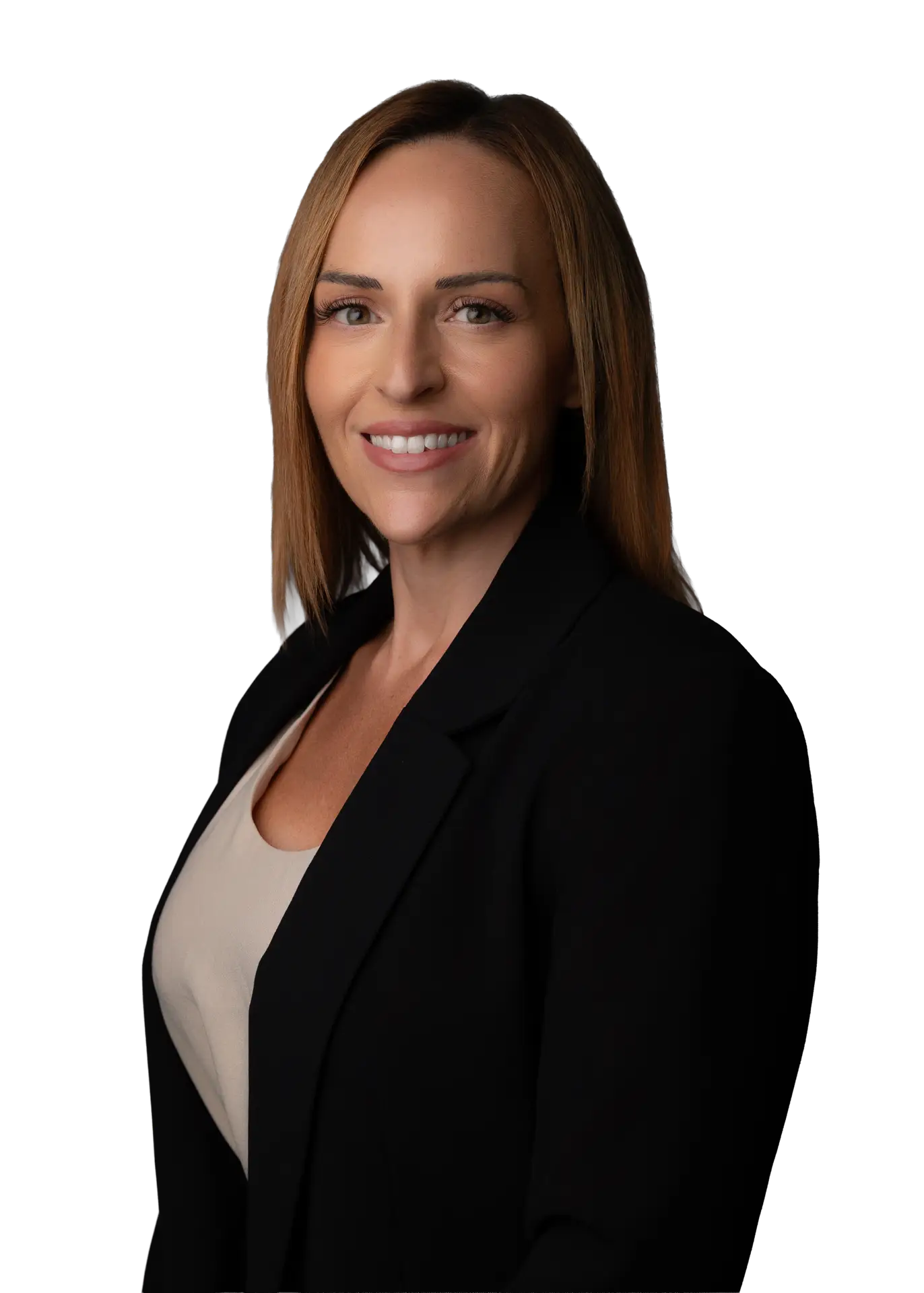
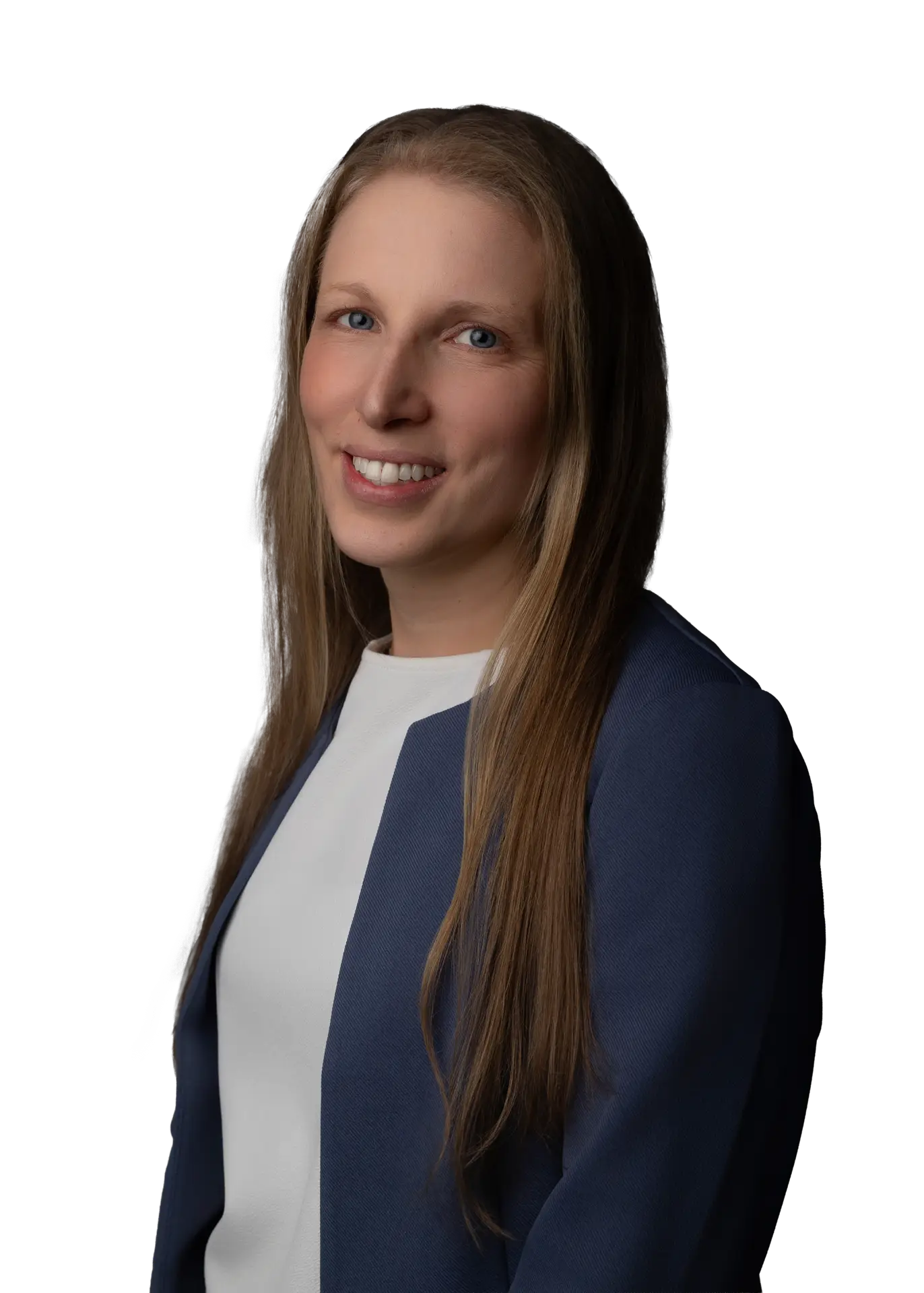
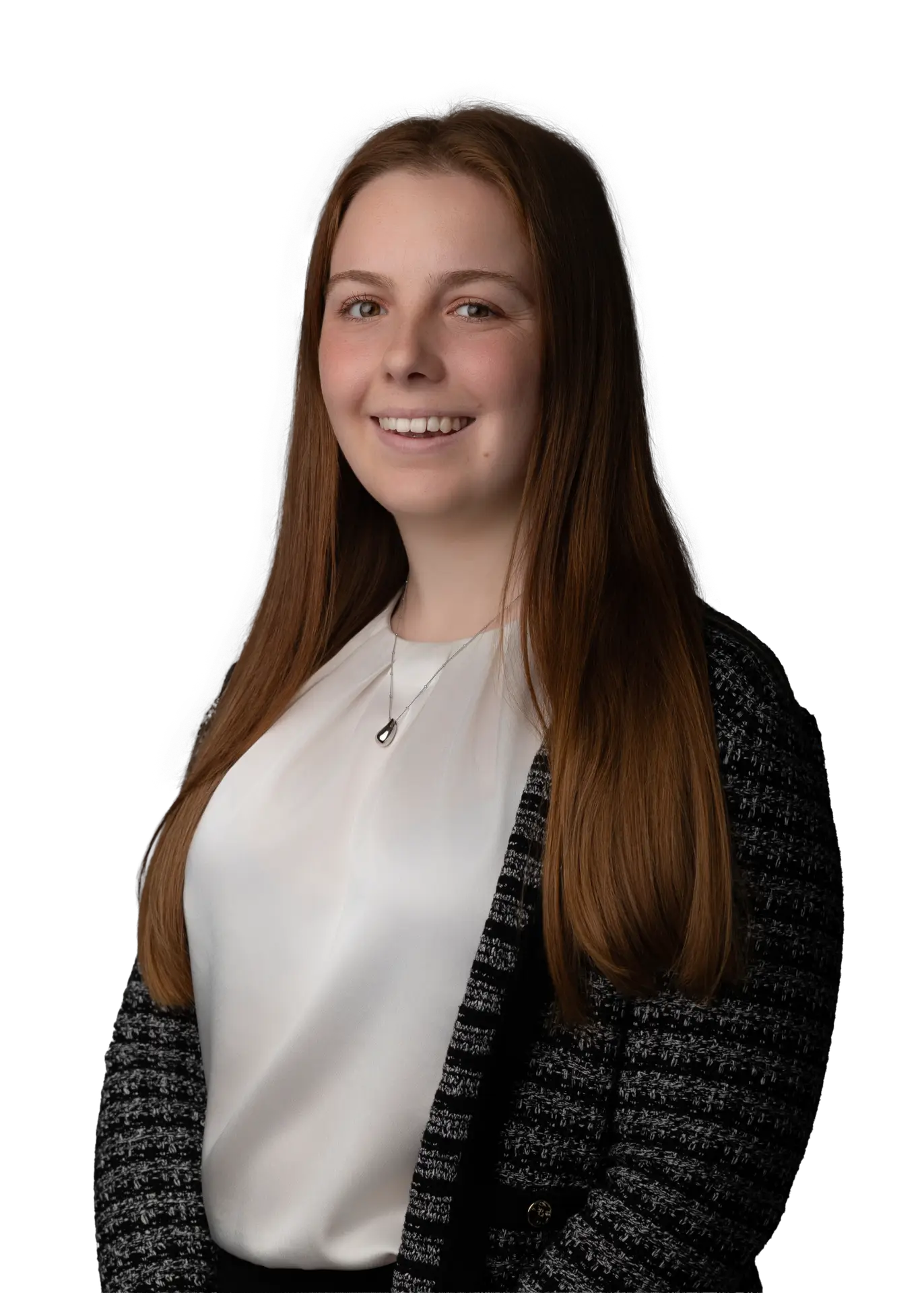
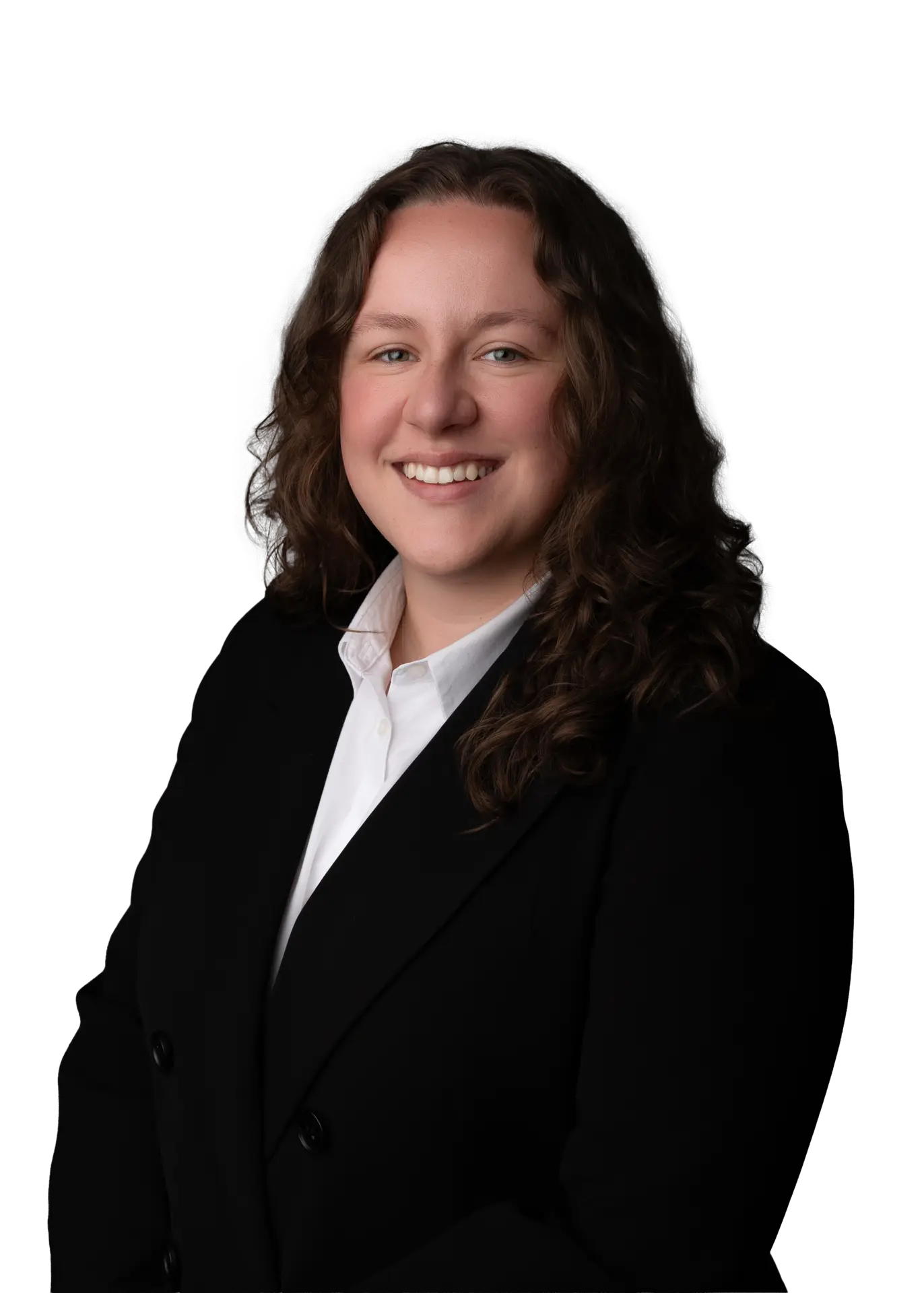
Meet your Wills, Trusts & Private Wealth team
Dedicated professionals ready to assist you.












Wills, Trusts & Private Wealth Services
Lasting Power of Attorney
A lasting power of attorney (LPA) ensures your wishes are honoured when unable to make decisions. It empowers trusted individuals to manage finances, healthcare, and personal affairs, avoiding legal complexities during incapacity. Creating an LPA offers peace of mind and control over future decision-making processes.

Inheritance Tax and Estate Planning
At Herrington Carmichael we receive many questions relating to the legal process on tax and inheritance – after years of property market growth, we are seeing more cases of clients who want to gain an understanding of the Inheritance Tax Reliefs and Exemptions with a little advice on income and capital gains tax.
Currently an individual has an Inheritance Tax free sum (known as the Nil Rate Band) of £325,000, and the value of their net Estate above this sum may be subject to Inheritance Tax at a rate of 40%.
For individuals who are married or in a Civil Partnership, they can benefit from the spouse exemption, which means that they can transfer assets between each other during their joint lives, or upon their respective deaths, without any Inheritance Tax implications.
We are recognised specialists in inheritance tax in the UK. In addition, we do have considerable knowledge of income and capital gains tax and often advise on these.

Probate & Estate Admin
When a person passes away, their assets go through a court-supervised legal process known as probate. The purpose of probate is to inventory and appraise the deceased’s property, resolve any outstanding debts and taxes owed, and transfer legal title or ownership of assets to their heirs according to the person’s will. If there is no will, assets get distributed according to state intestacy laws. The executor named in the will or appointed by the court handles estate administration by working through this involved settlement process. Completing probate and administration can take months to years depending on the size and complexity of the estate.
In order to deal with the administration of the Estate of the deceased, the Personal Representative may be required to make an application for a Grant of Representation to the Probate Registry.
Our Private Client Solicitors have a wealth of experience in Estate administration and can help you every step of the way, delivering economic, personal and compassionate service.

Trusts
Our Private Wealth Team can advise on how Trusts can be utilised to safeguard your assets for the future. Our team can also assist with the day-to-day administration of Trusts. Despite the perception that they are primarily to do with saving tax, there are many different types of Trusts and reasons for using them. However, one of the more common reasons for using Trusts are to protect assets for family and loved ones. Reasons for setting up a trust might be:
- Protection from Inheritance Tax
- Holding assets for minor children until they are old enough to receive them
- Providing for a spouse while protecting assets ultimately for your children
- Paying grandchildren’s school fees
- Holding funds for a vulnerable beneficiary
- Safeguarding against divorce or bankruptcy claims against children
- Protection from care fees assessed against a loved one
- Continuation of existing means-tested benefits
Wills & Inheritance Disputes
Are you looking to contest a Will or perhaps you are experiencing a probate or inheritance dispute? Our specialist lawyers can advise you on all types of disputes relating to Wills, Trusts and Estates.
Whether you are an Individual Beneficiary, a Trustee, an Executor or an Administrator, whether you are a Claimant or Defendant, we have experience in acting for you.
We are able to advise you on a wide range of claims, including:
- Disputing the validity of a Will – particularly if you believe the maker of the Will did not have full mental capacity when they made the Will
- If you have been left out of a Will altogether or are to receive much less than you had expected or less than has been left to e.g. your siblings
- If the Executor or Trustee has not acted properly or is accused of not acting properly
- If the Executors/Trustees are not sure how to deal with competing demands of beneficiaries

Wills
Writing a Will gives you control over what happens to your assets when you pass away. This legal document allows you to choose who will manage your estate as executor and how your possessions and wealth will be distributed.
One of the most important elements of your Will is to ensure the security and peace of mind for those you care about. It is impossible to predict our future but when preparing a Will, it is essential to obtain up to date advice on the current Inheritance Tax position and how best to structure your Will. Without an official Will, your estate will be subject to intestacy laws that rigidly dictate who inherits what. The outcomes might not align with your wishes or be the most tax-efficient for your heirs.
Our private wealth & inheritance solicitors are experts in the preparation of Wills and will ensure that your new Will is suitable for your circumstances. We draft Wills that are bespoke to you, we will not make several additions in cost once we have received your information. Our Wills are tailored to you and your family and will be stored free of charge.
Rural & Agricultural Private Wealth
Our Private Client Agriculture and Rural Law team provides trusted, specialist advice to farming families, landowners, and rural estates, helping them protect wealth, plan for succession, and secure their legacy for future generations.
We advise on wills, succession planning, inheritance tax mitigation, trusts, estate administration, and lifetime wealth structuring, always mindful of the practical realities of running farms and rural businesses. Our approach is clear, pragmatic, and tailored to the unique challenges faced by rural families, including inter‑generational ownership, diversification, and the preservation of land and assets.
The Private Wealth team specialising in Agricultural and Rural matters is led by Nicole Miller, working with Kate Hooper, Harriet Page and Piers Galton-Beque. Together we bring expertise in private wealth and rural matters, combined with a collaborative and personal approach. We work closely with clients’ accountants, land agents, and other professional advisers to deliver joined‑up, long‑term solutions that balance family objectives with commercial and tax considerations.
Whether planning for the future, navigating change, or dealing with sensitive family matters, our specialists are committed to providing practical, compassionate advice that protects rural wealth and ensures continuity for generations to come.

Court of Protection
The Court of Protection helps with people who might be lacking the mental capacity to manage affairs or make their own decisions. It can appoint someone to help.
If someone has lost their mental capacity and they don’t have a Lasting Power of Attorney in place, an application will need to be made to the Court of Protection to appoint someone to act as a ‘deputy’. If successful they will receive an order telling them what they can and can’t do.
It is sometimes necessary to apply to the Court of Protection for an Order relating to someone’s affairs when that person is unable to manage these for themselves. You will be required to submit a few forms and likely provide a doctor’s certificate.
The court will then be able to give the power to make decisions to someone who can manage their affairs and make decisions relating to issues around finance and health – usually a relative or close friend. They will become the ‘Deputy’.
We specialise in Court of Protection applications and our solicitors would be happy to complete the paperwork for you to ensure it is fully compliant.

LGBTQIA+ Private Wealth Services
Our specialist LGBTQIA+ Private Wealth team provides expert legal guidance tailored to the unique needs of LGBTQIA+ individuals, couples, and families.
We can help with:
- Bespoke Wills
- Estate Planning & Trusts
- Lasting Powers of Attorney
- Gender Recognition Certificate – Statutory Declarations

All Wills, Trusts & Private Wealth Services
What our clients say about us
It is always a pleasure working with Chris, Liz and the team, totally professional and customer focused, cannot fault them. Kenmore Group has worked in several commercial deals and continue to develop relationships within HC team in different departments, including Private Wealth, Property and HR.
Unlock valuable insights from our articles




Frequently Asked Questions
Find answers to your most pressing questions about our services and processes.
When someone dies without leaving a valid Will, their assets (the Estate) must be shared out according to certain rules. These are called the Rules of Intestacy. Our Intestacy Rules Flowchart will help you to understand what will happen to your assets if you die without having a valid Will.
In most cases where someone is trying to contest a Will, it is best to seek to resolve any disputes amicably. Where this is not possible, then court action might be the only alternative, but it comes at a cost both personally and financially.
The Probate Registry usually insists on an original Will before issuing a grant of probate. However, it is possible to apply for a grant using a copy will, but this involves making a separate application to the Registry. The Registry will require detailed evidence, which can be difficult to obtain. We have made successful applications to prove copy Wills, so contact us if you would like to know more.
There are two different types of LPAs: “Property and Financial Affairs” and “Health and Welfare.” However, there are a number of different Powers of Attorney which may be used in addition to LPAs. **General Powers of Attorney** This is the shortest type of Power of Attorney and can only be used to give power over the Donor’s property and financial affairs. This type of document is useful for short-term needs, for example, if the Donor is going away and wishes the Attorney to manage their affairs during that time. This does not stop the Donor from managing their own affairs, and the Attorney will be accountable to the Donor for the decisions made and the actions taken on the Donor’s behalf. However, it should be noted that the General Power of Attorney will cease to be effective if the Donor loses their mental capacity. **Enduring Power of Attorney (EPA)** It is no longer possible to make this type of Power of Attorney; however, EPAs that were made in previous years are valid and will remain so provided that they were properly executed. An EPA will allow the Attorney to make decisions about the Donor’s property and financial affairs. However, an EPA must be registered if the Donor begins to lose their mental capacity. If you would like to discuss this further or require any advice or assistance in respect of the registration process, please contact a member of our Private Wealth Team.