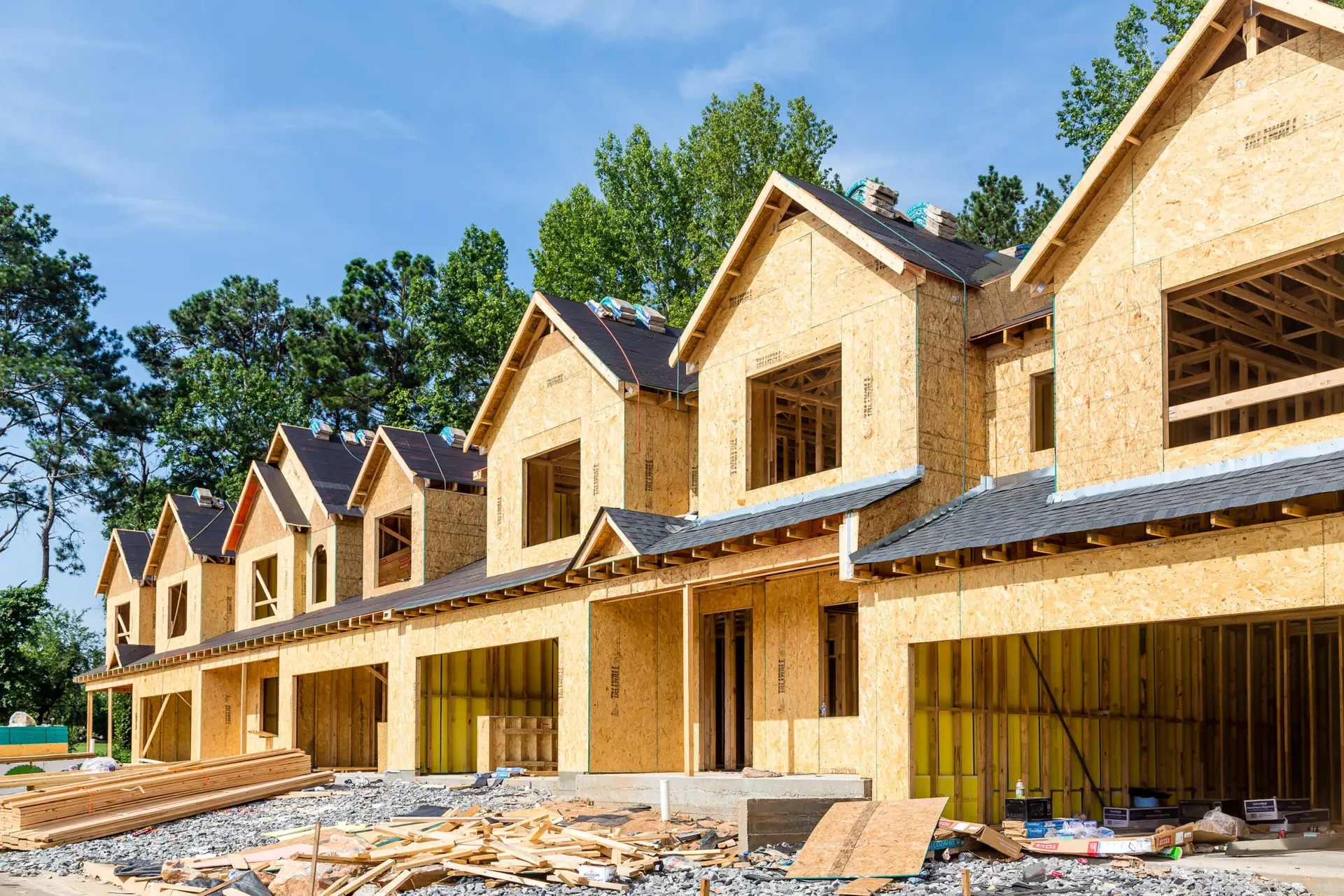
- An example of a standard rate transaction is the sale of a freehold interest in a commercial building that is not complete, i.e. before a certificate of completion is received.
- An example of a supply that may be zero rated is when a landowner converts a commercial building into a residential building and subsequently sells the whole or part of the property.
- An example of a reduced rate transaction is the conversion of a non-residential property into a care home and the costs associated with this when the property has not been lived in for two or more years.
- Some companies within certain sectors (for example insurance, charitable and financial) are VAT exempt, and therefore unable to recover VAT. This would affect their ability to purchase property which is subject to VAT as they would find themselves paying VAT on the purchase price but unable to recover it.
- An option to tax is a long term application as it cannot be revoked for 20 years after the original election is made. It will therefore be applied to future sales, purchases and supplies during this period. Similarly, if a company has not already opted to tax, if they purchase a property, they will have to consider whether they would like to waive the exemption.
- Retrospective options to tax are not permitted and so a company should consider this very carefully before choosing to purchase an exempt property, or opting to tax.
- A transfer may be capable of being treated as a transfer of a going concern if certain pre-requisites are satisfied. If this is the case and a transaction can be treated as the transfer of a going concern then the transfer is not subject to VAT.