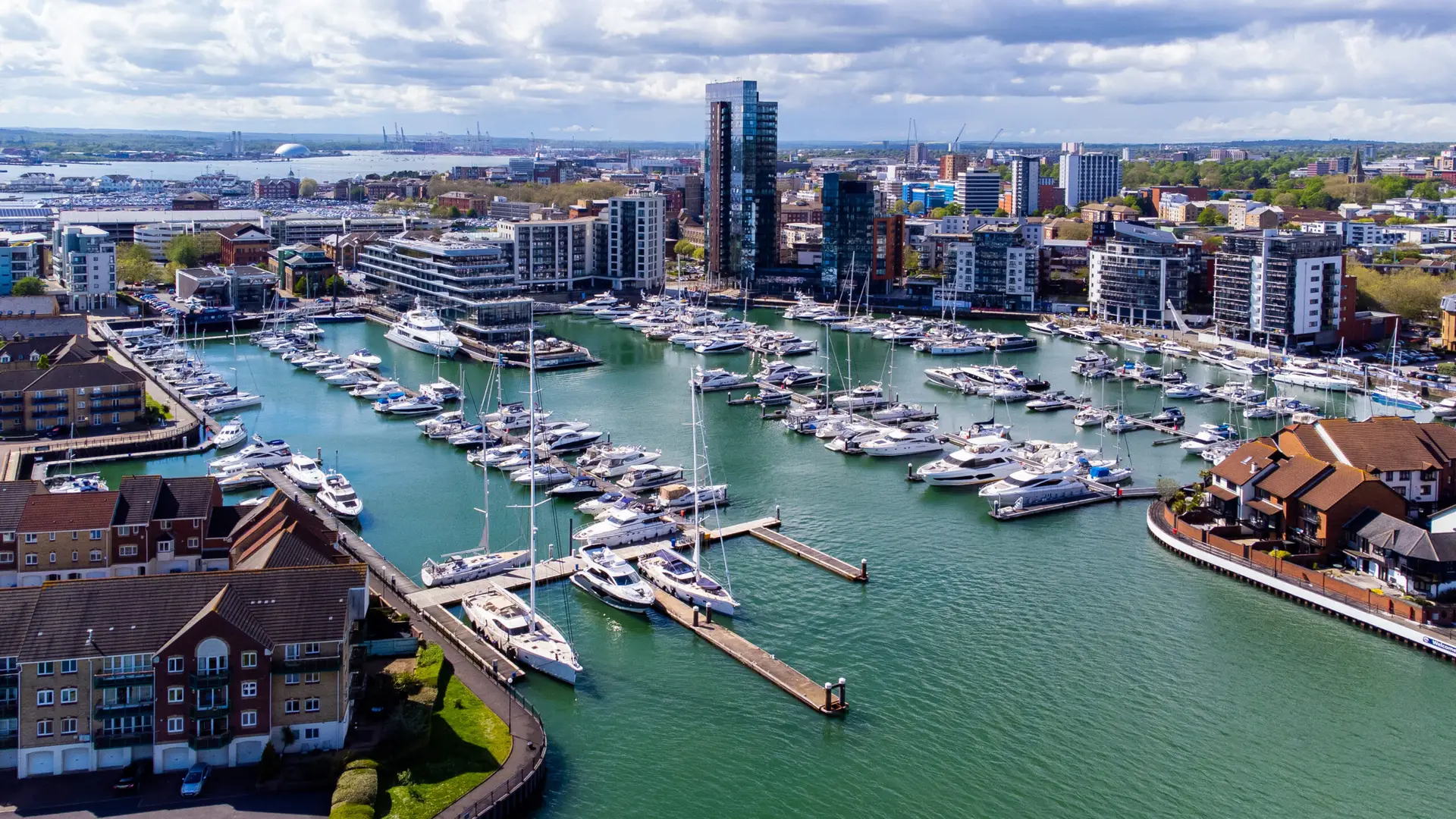
Waterfront property can offer privacy, exclusivity, and strong investment value. However, ownership of land adjoining a river does not automatically mean you have unrestricted rights over the water or the ability to install a mooring.
Understanding moorings and water rights is essential if you want to protect your position, avoid disputes, and maximise the value of your property.
What are riparian rights?
If your property borders a natural watercourse such as a river or stream, you are likely to be a “riparian owner”. This means you have certain rights and responsibilities relating to the adjoining water.
In general terms, riparian rights may allow you to:
- Access the water from your land
- Make reasonable use of the water
- Own the riverbed up to the midpoint, unless stated otherwise
However, these rights are not unlimited. They are subject to regulation, environmental law, and the rights of others.
What is a mooring?
A mooring is a fixed or floating structure used to secure a boat. This could include a jetty, pontoon, or simple anchoring point.
For high value riverside properties, a private mooring can significantly enhance both lifestyle and property value. However, the legal position is often more complex than many owners expect.
Do you automatically have the right to moor a boat?
Owning riverside land does not guarantee the right to install or use a mooring.
Your ability to moor a vessel will depend on several factors, including:
- Ownership of the riverbed
- Navigation authority rules
- Planning permission requirements
- Environmental and conservation restrictions
For example, some rivers are managed by navigation authorities who control mooring rights. In these cases, a licence may be required even if you own the adjacent land.
Planning permission and mooring regulations
Installing a new mooring structure often requires planning permission. This is particularly relevant if you are constructing:
- A jetty or pontoon
- Riverbank reinforcements
- Access steps or platforms
Local authorities will assess the visual impact, environmental considerations, and effect on neighbouring properties.
In some cases, additional consents may be required from:
- The Environment Agency
- Navigation authorities such as the Canal and River Trust
- Conservation bodies if the area is protected
Failure to secure the correct permissions can result in enforcement action and the removal of the structure.
Common legal issues with moorings and water rights
Moorings and water rights frequently give rise to complex legal issues, particularly for high-net-worth individuals managing substantial assets.
A common issue is uncertainty over riverbed ownership. Title documents are not always clear, and assumptions can lead to disputes with neighbouring owners.
Access can also become contentious. Even where you have riparian rights, physical access to the water may be restricted by topography, boundaries, or third party rights.
In addition, long established informal arrangements can create confusion. For example, a previous owner may have used a mooring without formal consent. This does not necessarily mean the right has been legally established.
Buying waterfront property: key legal checks
For those acquiring waterfront property, mooring rights should form part of your due diligence.
A property marketed with river access or boating potential may not have the legal rights needed to support this use. This can impact both enjoyment and value.
Careful investigation should confirm:
- Whether mooring rights exist
- Whether licences or permits are required
- Whether any restrictions or covenants apply
This is particularly important where you are considering redevelopment or estate enhancement.
Environmental and maintenance responsibilities
Owning riverside land carries responsibilities as well as rights. You are generally expected to maintain the riverbank and ensure that your activities do not obstruct water flow or increase flood risk. Works to the bank or within the water may require consent, even if they appear minor.
Environmental regulations are increasingly strict. Breaches can result in financial penalties and reputational risk, particularly for high profile property owners.
How We Can Help
Moorings and water rights sit at the intersection of property law, planning, and environmental regulation. A clear legal strategy is essential to protect your position and unlock the full value of your asset.
Our property law team can support you with:
- Due diligence when acquiring waterfront property
- Clarifying riparian rights and ownership
- Securing planning permission and regulatory approvals
- Resolving disputes over access, moorings, and boundaries
If you are purchasing, developing, or managing riverside property, we can provide clear, commercially focused advice.
Please contact us to discuss your requirements and ensure your property is protected and positioned for long term value.