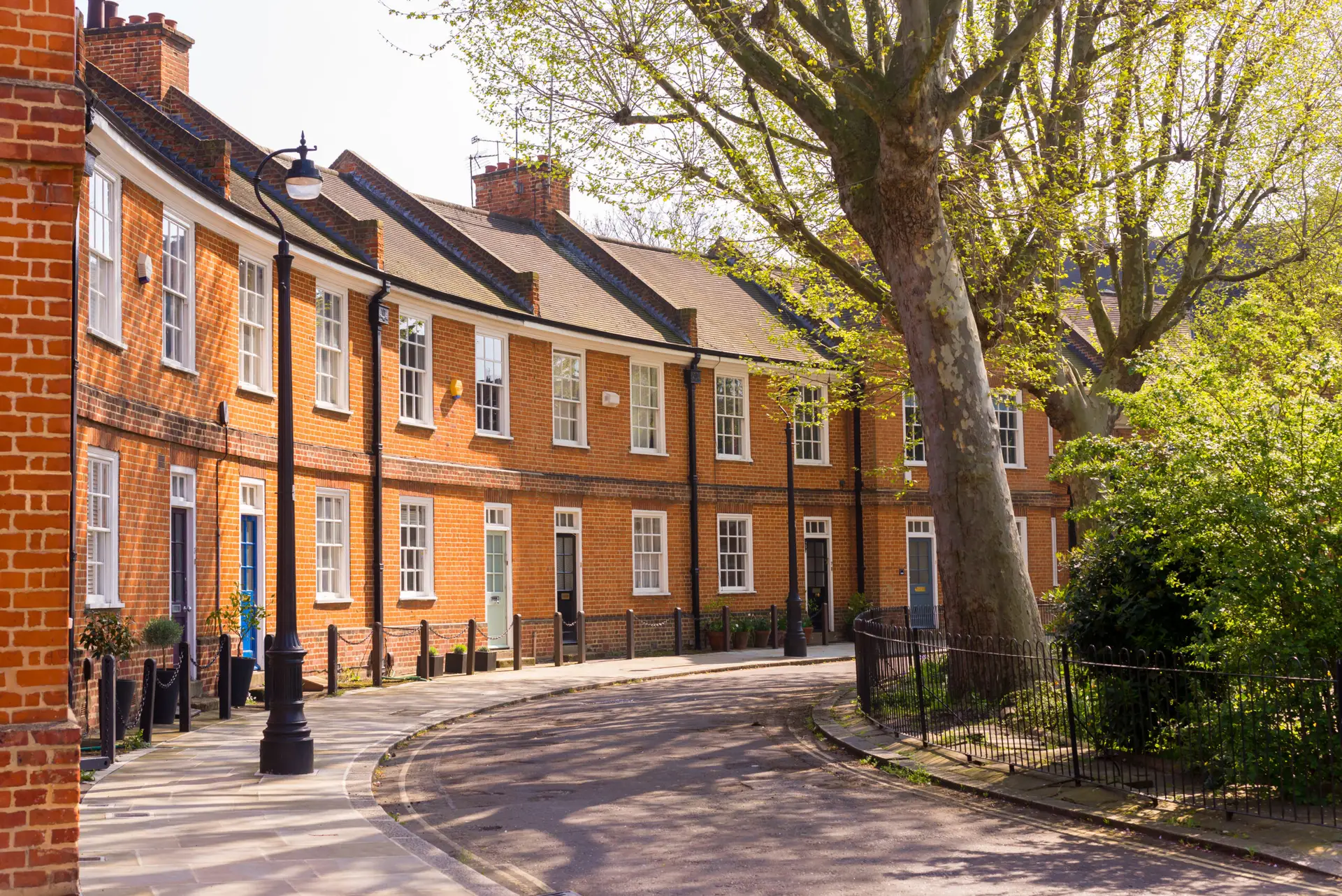
Tree Preservation Orders (TPOs) are a key consideration for anyone owning or acquiring high value property in the UK. While mature trees can enhance privacy, character, and long-term value, they can also introduce legal constraints that affect how you manage or develop your land.
Understanding how TPOs operate is essential if you want to protect your investment and avoid costly mistakes.
What is a Tree Preservation Order?
A Tree Preservation Order is made by a local planning authority to protect specific trees, groups of trees, or woodland. Once a TPO is in place, you cannot carry out works to the protected tree without formal consent.
This includes cutting down, pruning, topping, lopping, uprooting, or otherwise damaging the tree. The rules apply regardless of whether the works seem minor.
TPOs are typically used where trees contribute to the local environment or streetscape. For large residential properties or estates, they are particularly common.
Why TPOs matter for high value property
For high-net-worth properties, trees are often a key part of the overall property offering. They provide screening, enhance kerb appeal, and support long term asset value. However, a TPO can restrict your ability to adapt or improve your property.
This can affect:
- Planned extensions or new builds within your grounds
- Landscaping or garden redesign
- Changes to access routes or driveways
If a TPO is not properly considered at an early stage, it can delay projects, increase costs, or render proposals unworkable.
There are also significant legal consequences for non-compliance. Breaching a TPO can lead to substantial fines and, in some cases, a criminal conviction. You may also be required to replace any tree that has been unlawfully removed.
How to check if a tree has a TPO
Before carrying out any work, you should confirm whether a TPO applies. This is particularly important when purchasing a property or planning development.
In practice, this involves:
- Checking with the local authority
- Reviewing local land charges during conveyancing
- Taking legal advice as part of due diligence
For high value transactions, this step should never be overlooked. Early identification allows you to factor constraints into your plans and avoid unnecessary risk.
Applying for TPO consent
If a tree is protected, you must apply to the local authority for permission to carry out works. The application must clearly explain what you want to do and why.
Supporting evidence is often required, such as an arboricultural report explaining the condition of the tree or the justification for the proposed works.
The local authority will consider factors such as the tree’s health, its contribution to the local area, and the impact of the proposed works. A decision is usually made within eight weeks.
Careful preparation is key. Poorly presented applications are more likely to be refused or delayed.
When you should seek legal advice on TPOs
There are several situations where specialist property law advice can add significant value.
If you are planning development, TPOs should be assessed alongside planning permission at an early stage. This helps ensure your proposals are viable and reduces the risk of refusal.
Where trees are causing structural issues, such as subsidence, the legal position can be complex. You may need to balance safety concerns with regulatory compliance while managing insurers and third parties.
Emergency works are sometimes permitted without prior consent, but only where there is an immediate risk. The burden of proof lies with the property owner, so clear evidence is essential.
If consent is refused, you may have the right to appeal. A strategic approach can improve your chances of success.
Estate and long-term planning
For larger properties and estates, TPOs should be considered as part of a broader asset management strategy. Trees can influence development potential, land use, and even tax planning in some circumstances.
Taking a proactive approach helps preserve both the aesthetic and financial value of your property.
Regular inspections, proper maintenance, and clear record keeping all support a strong legal position and reduce the likelihood of disputes.
How we can help
Tree Preservation Orders require careful handling, particularly where high value property, development plans, or complex estates are involved.
Our property law team advises on:
- TPO constraints during property acquisition
- Development and planning strategy
- Applications, appeals, and negotiations with local authorities
- Disputes involving damage, subsidence, or enforcement
If you are considering changes to your property or need clear guidance on your legal position, we can help you move forward with confidence.
Get in touch with our team to discuss your requirements and protect the value of your property.