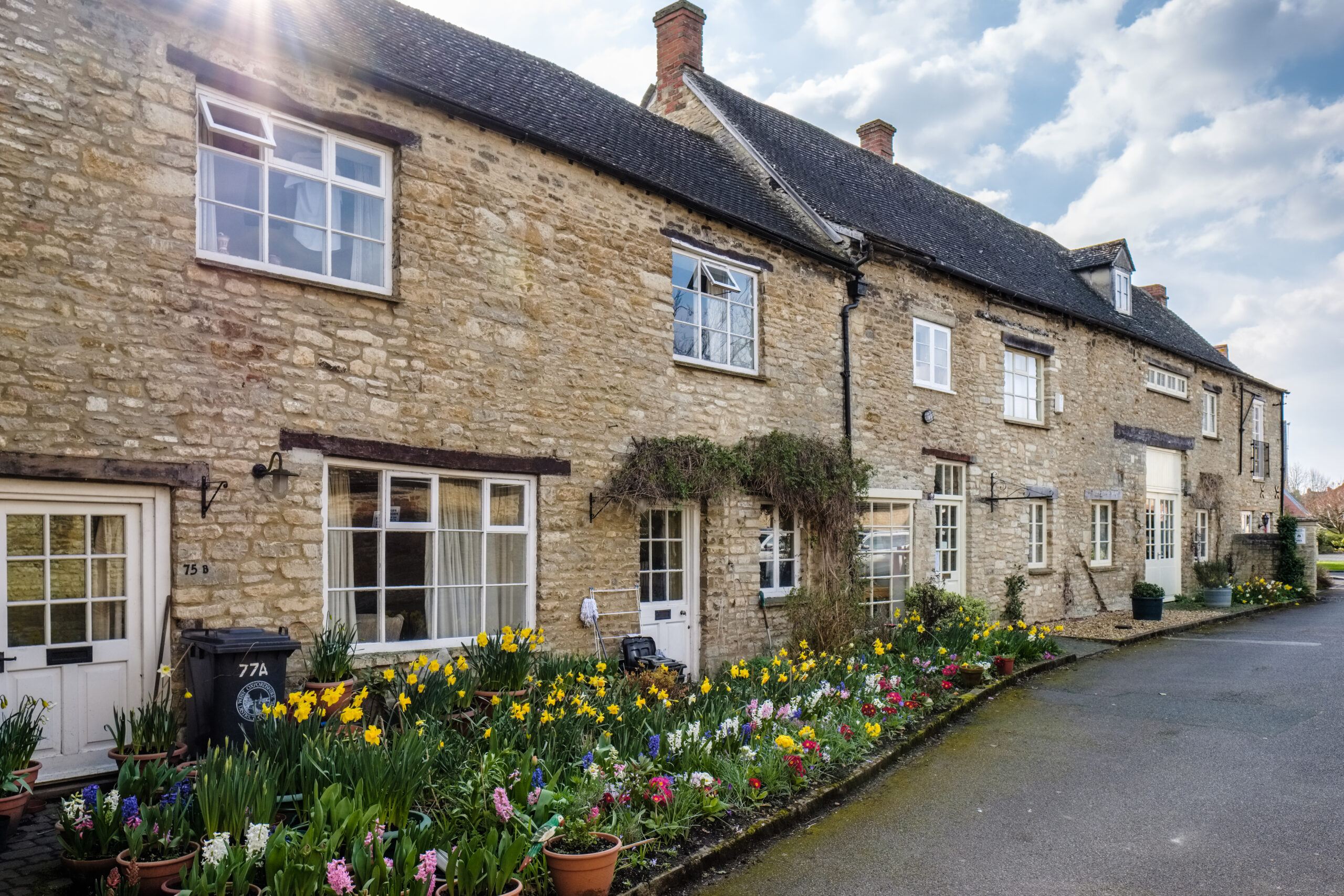
Many properties have basement vaults under the pavement (even extending to underneath the roadway), with no clear indication at all on who owns them.
Historically, in older properties, vaults were used as coal cellars, and were not designed for modern living. Basement vaults can be riddled with rising and penetrating damp, sometimes even flooding.
Many people with basement flats have happily converted their basement vault to a useful space such as a utility or shower room, oblivious to the fact that it is not shown on the legal title or lease of their flat. Likewise, many restaurants make use of the vaults space, either for additional tables, or storage. This problem usually comes to light when the property is being sold and an agent markets the flat or commercial premises, proudly showing the extra space. When the buyer’s solicitor checks the title and lease however, it can be that the basement vaults are simply not shown. What is worse is that, they are not shown on freehold title either.
Land Registry plans do not show precise boundaries and they commonly do not include any underground areas (particularly any that extend further than a property’s ground level boundaries).
The situation is dealt with by the established common law doctrine known as ‘Medium filum’ which provides for a presumption that owners of land own the subsoil up to the middle of the road. This presumption is capable of being refuted but it is very difficult to challenge so it is generally assumed that where a road is adopted by a local authority, then the subsoil, including any vaults and basements, will be owned by the adjoining owners. In view of this, legally, there may be no problem.
The issue, however, is really one of saleability. Usually the buyer or lender is not willing to ‘take a view’ on the situation, especially if the titles of adjoining properties are registered to include their vaults. In this scenario, it can become very difficult to argue that reliance must be placed upon a common law doctrine. An alternative solution is to make a Land Registry application to “regularise” the situation.
We often make applications to the Land Registry for both freeholders and leaseholders to claim ownership of basement vaults where the question of who actually owns them is not apparent. To establish ownership a number of things need to be looked at such as how long you (and previous owners) have used the vaults for, has this been continuous and exclusive, what evidence is there and has this use been “as of right?”
This article is intended as a general guide to the legal issues relating to basement vaults, and is not to be taken as detailed legal advice. Should you require assistance with any property matter relating to basement vaults, please do not hesitate to contact our Real Estate department who will be happy to help.
Please email your query to maria.guida@herrington-carmichael or call Maria Guida on 01276 868222.